From the Blog · College Grove, TN
Why Is My Refrigerator Not Cooling?
Short answer: most warm refrigerators are not dead, they are suffocating, frozen or leaking cold air. A frost-choked evaporator, a failed fan, a blocked vent or a torn door seal explains most cases, while a weak compressor or lost refrigerant is the serious minority. Check the simple things below first, and keep the doors closed while you think.
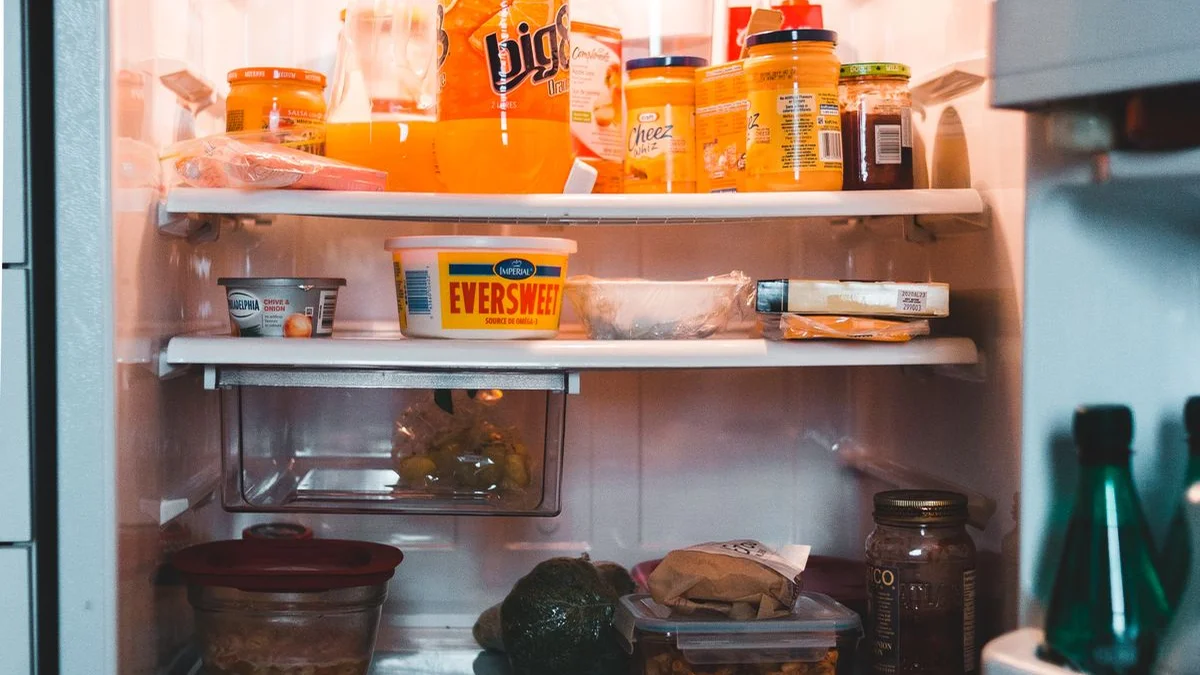
Start with air, because cold is made once and moved everywhere
A refrigerator makes cold in one place, the freezer's evaporator coil, and moves it with a fan. Anything that blocks that movement warms the fridge while the freezer stays cold: food piled against the back vent, a fan that stopped, or frost so thick the coil cannot breathe. Look inside the freezer for a wall of frost on the back panel. If you see one, the defrost system has likely failed, and the fridge will keep warming until a technician tests the heater, thermostat and board. Our refrigerator repair page explains how that diagnosis runs.
Door seals are the second check. Run a dollar bill around the closed door: if it slides out with no drag in spots, warm Williamson County air is leaking in all day. Seals that are torn or have lost their magnet grip are replaceable on most models.
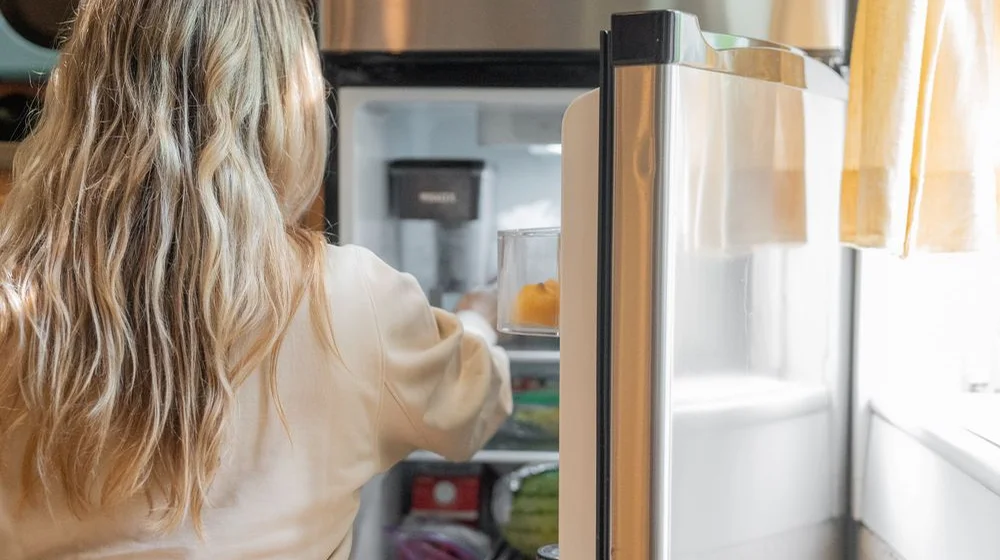
The coil underneath is the check most people skip
The condenser coil under or behind the fridge sheds the heat removed from inside. In College Grove homes with pets, that coil mats with hair and dust until the compressor runs hot and long and cooling fades. If your fridge is warm and the sides feel hot, a packed coil is a strong suspect. Pulling the fridge out and vacuuming the coil with the power off is safe homeowner work on many models.
If the coil is clean, the seals hold, and there is no frost wall, listen for the evaporator and condenser fans. A silent fan with a running compressor means the cold is being made and not moved, which is a repair, not a replacement conversation.
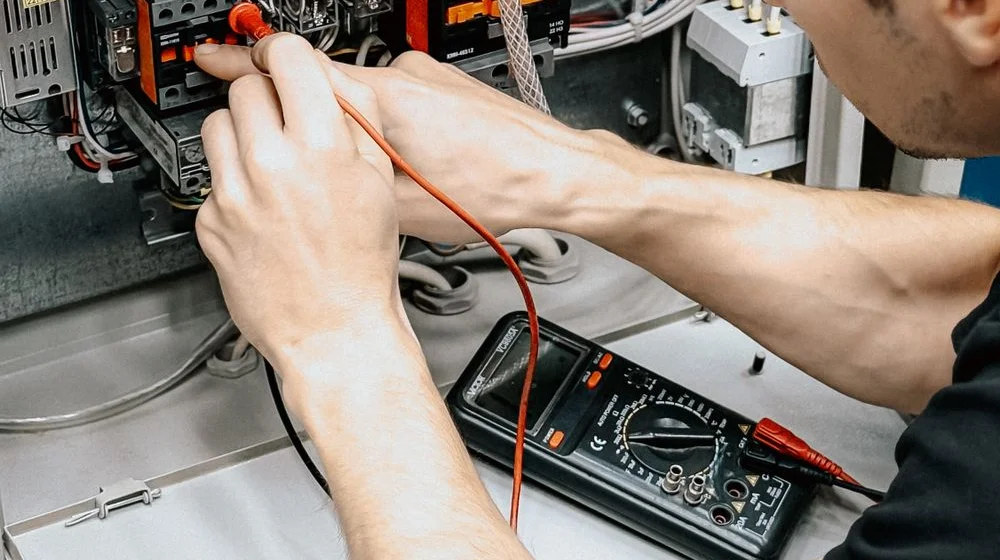
When warm means call now, not this weekend
Call promptly if the fresh food section sits above 40 degrees for more than a few hours, if you hear clicking every few minutes as the compressor tries to start, or if the unit has gone completely warm and quiet. Food safety runs on a clock of about four hours in the danger zone. Keep the doors shut to buy time, move what you can to a cooler with ice, and describe the symptoms when you call our appliance diagnostic service so the visit starts in the right place.